
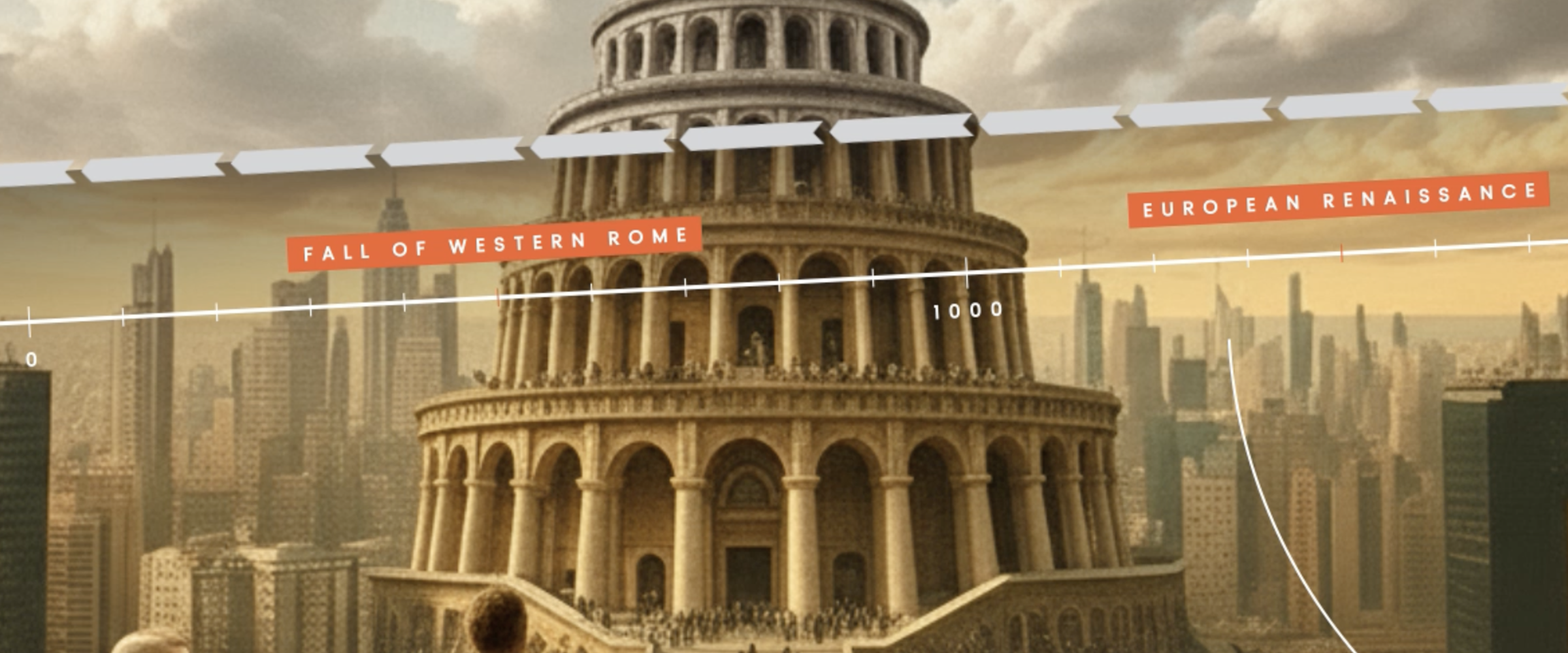


Have you ever wondered about the origins of the thousands of languages spoken across our planet? Ancient stories, like the biblical tale of the Tower of Babel, speak of a time when humanity was united by a single tongue.
This unity allowed for grand ambitions, but it was ultimately shattered, leading to a world of diverse voices. This video infographic begins by exploring the powerful connection between language and human ambition, examining how an ancient punishment may have inadvertently become one of humanity’s greatest gifts, setting the stage for the rich tapestry of cultures we see today.
From Unity to Diversity: Exploring the Connection Between Language and Culture
The scattering of humanity led to an incredible explosion of linguistic diversity. What began as division blossomed into a multitude of unique ways to see and describe the world, with each new language shaping distinct identities, traditions, and cultures. This journey through history explores the evolution of human language, touching on significant milestones from antiquity to the modern era. We delve into how languages multiply and shape the very fabric of our societies, creating the vibrant, and sometimes conflicting, world we inhabit.
A Modern Challenge: Why Are Languages Disappearing From the World?
Today, we stand at a critical crossroads. The forces of globalization, while connecting us in unprecedented ways, pose a significant threat to linguistic diversity. The dominance of a few global languages is creating a silent extinction crisis. This video examines the complex question: as humanity grows closer, are we losing the very diversity that has enriched us for millennia? We investigate the modern-day Tower of Babel and question whether our quest for global unity comes at the cost of our cultural heritage.
Discover the Silent Extinction and the Fight to Preserve Our Voices
How many languages have gone extinct since 1950, and what does this mean for our future? We highlight the urgent efforts to preserve endangered indigenous languages around the globe, with narrative that poses a final, thought-provoking question: Is the loss of a language simply the loss of words, or does it represent the erosion of humanity itself? Watch now to uncover the profound story of our world’s languages, their power, their fragility, and the choice we face in preserving them.
FAQ
Whether all human languages descend from a single ancestor remains an open question. Linguists can reconstruct ancestral languages within individual families by comparing patterns in sounds and words. A 2025 study used genetic evidence to suggest that humans already had the capacity for language about 135,000 years ago. What those early languages sounded like remains unknown.
When communities interact less with one another, changes in pronunciation, vocabulary, and grammar can take hold locally. Over generations, those changes can make it harder for speakers to understand one another. Regional varieties of spoken Latin developed this way into languages including French, Italian, and Spanish.
In a 2016 review, UNESCO counted 244 languages that had gone extinct since 1950. That figure reflects the losses documented at the time. Some languages disappear before researchers have a chance to document them, and catalogs can take years to register a loss.
One of the clearest warning signs is that fewer children are growing up speaking it. A language can still have thousands of fluent adults at that stage. What matters for its future is whether younger generations have regular opportunities to hear and use it at home, at school, and in their community.
Yes. Wampanoag communities reclaimed Wôpanâak after generations without regular use. Surviving records, including handwritten wills and land deeds, helped them recover the language and develop teaching materials. Children and adults began learning it again, and a child grew up speaking it as a first language for the first time in generations.
Sources:
- https://agencia.fapesp.br/human-language-was-already-present-at-least-135000-years-ago/54853
- https://assets.cambridge.org/97811070/41134/excerpt/9781107041134_excerpt.pdf
- https://www.endangeredlanguages.com/about-endangered-languages
- https://www.bbc.com/future/article/20191001-dunbars-number-why-we-can-only-maintain-150-relationships
- https://www.ethnologue.com/country/PG/
- https://www.babbel.com/en/magazine/least-spoken-languages-on-earth