For years, meat has been the star of the protein conversation. But more people are realizing that protein doesn’t have to come from steak or chicken breast.
Whether for health, sustainability, or cost, plant-based and non-meat proteins are becoming the go-to for athletes, older adults, and anyone trying to diversify their diet.
The Science of Plant Protein Absorption
One of the most fascinating aspects of plant protein is its bioavailability, our body’s ability to absorb and use it. While plant proteins are sometimes considered less digestible than their animal counterparts due to their fibrous nature, modern food science has unlocked their full potential. (1)
Techniques like sprouting, fermenting, and isolating proteins (as seen in protein powders) can significantly increase their absorption, making them just as effective as animal proteins for muscle repair and growth. For example, soy protein isolate undergoes a heat treatment that makes it as bioavailable as casein, the protein found in milk. (1)
The Question of Quality
Not all proteins are created equal. Meat has long been praised because it contains all nine essential amino acids in ideal proportions. But certain plant-based sources, such as soy and quinoa, also qualify as “complete proteins.” (1)
Others, like lentils or rice, fall short on one amino acid but excel when paired together. This is where the science of PDCAAS and DIAAS scores comes in, systems that rank protein quality based on digestibility and amino acid balance. (1)
The takeaway: Combining different plant foods can mimic the completeness of meat without sacrificing variety. Some contenders, like tempeh, lentils, or even chickpeas, may surprise you with how much protein they pack into a single serving.

Infographic design by Boris Benko
Health Perks of Going Meatless
Shifting part of your protein intake to non-meat foods comes with added benefits. Legumes deliver fiber, which most people don’t get enough of, while nuts and seeds bring heart-friendly fats. Fermented soy products, such as tempeh, add probiotics for gut health. Even dairy proteins, like Greek yogurt or cottage cheese, bring along calcium, which is especially valuable for bone health.
Environmental Impact
Beyond personal health, choosing plant-based proteins can have a powerful positive impact on the planet. The environmental footprint of plant protein is dramatically smaller than that of animal agriculture.
Producing beef, for instance, can generate 50 times more CO2 and require 100 times more land than producing an equivalent amount of protein from peas or beans. (2, 3)
By simply shifting some of our protein intake from meat to plants, we can contribute to a significant reduction in greenhouse gas emissions, water usage, and land degradation.
Putting It Into Practice
Think less about replacing meat and more about building balanced meals. A bowl of lentil soup with whole-grain bread, a tofu stir-fry over brown rice, or Greek yogurt topped with seeds can easily provide what your body needs. The combinations are endless, and the variety can help keep eating interesting.
FAQ
This is a great time to ask, since the official answer just changed. Most adults need between 0.8 and 1.6 grams of protein per kilogram of body weight, which comes out to roughly 55 to 110 grams a day for someone weighing 150 pounds, though needs vary by age, activity level, and health, with athletes, people over 65, and people with chronic health conditions generally needing more. That range recently shifted at the federal level too: the previous U.S. recommended dietary allowance called for 0.8 grams of protein per kilogram of body weight, about 54 grams daily for a 150 pound person, but the 2025-2030 Dietary Guidelines for Americans, released in January 2026, raised that recommendation to 1.2 to 1.6 grams per kilogram of body weight. Worth knowing: some nutrition scientists have noted it isn’t fully clear what new evidence drove such a large jump, since the old figure was designed to prevent deficiency rather than optimize health, so this is very much an active area of ongoing discussion.
Both systems try to answer the same question (how much of a protein’s amino acids actually get absorbed and used) but they measure it very differently, and the difference genuinely changes how proteins rank. In March 2013, the FAO endorsed DIAAS to replace PDCAAS, since DIAAS accounts for amino acid digestibility at the end of the small intestine, giving a more accurate picture of what the body actually absorbs, compared to PDCAAS, which estimates digestibility over the entire digestive tract. The practical impact can be surprisingly large: whey protein isolate and soy protein isolate score almost identically on PDCAAS, 1.0 versus 0.98, but on the DIAAS scale that gap widens dramatically to 1.09 for whey versus 0.90 for soy, a much more meaningful difference.
No, and this is one of the most persistent myths in nutrition. The idea that we needed to eat complementary proteins together, like rice and beans, to make up for their relative amino acid shortfalls was refuted decades ago, yet the myth still shows up in some medical and nutrition textbooks today. The reason it doesn’t matter is how your body actually handles amino acids: the body maintains pools of free amino acids that it draws on to do the complementing for us, alongside its own protein recycling processes, meaning eating whole grains at breakfast and beans at lunch works just as well as eating them together. In fact, all plant foods contain all 20 amino acids, including the 9 essential ones, just in varying amounts, so as long as your diet is varied and you’re eating enough calories over the day, careful meal-by-meal combining isn’t necessary.
Soy-based and gluten-based foods top the charts, well above most people’s expectations. Seitan, or “wheat meat,” tops the list for plant-based protein per ounce, with a 3-ounce serving providing around 21 grams, roughly triple the protein of the same serving of firm tofu, while tempeh, a fermented soybean product, provides around 17 to 18 grams of protein per 3-ounce serving along with probiotics tofu doesn’t have. Whole legumes hold their own too: common beans provide about 24 grams of protein per 100 grams dry weight, lentils range from 25 to 29 grams per 100 grams, and chickpeas come in around 21 grams per 100 grams, meaning a cooked cup of most legumes delivers roughly 15 to 18 grams of protein.
It’s not just about quantity, it’s that aging muscle becomes less efficient at using the protein it gets. Post-exercise rates of muscle protein synthesis are saturated with a certain amount of leucine-rich protein in younger adults, but older individuals require greater relative protein intakes to trigger the same muscle-building response, a phenomenon tied to age-related changes in how muscle responds to amino acid signaling. Because of this, timing strategy matters more with age: experts recommend spreading protein intake across 4 to 5 meals or snacks daily, aiming for roughly 20 to 40 grams of protein close to and spaced every 3 to 4 hours across the day, to maximize the stimulation of muscle protein synthesis. This directly supports what the article’s “health perks” section touches on regarding muscle maintenance in aging.
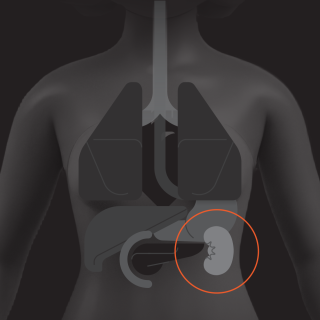
For people with healthy kidneys, this widely repeated warning doesn’t hold up to research. Scientists at McMaster University examined more than two dozen studies and found no evidence linking high-protein diets to kidney disease in healthy individuals, or in those at risk due to conditions like obesity, hypertension, or type 2 diabetes, concluding that higher protein intake actually increases rather than decreases kidney function. The mechanism behind the old fear turns out to be a normal adaptive response rather than damage: high-protein diets do cause changes in kidney function, like an increased glomerular filtration rate, but these changes are entirely normal and adaptive, a phenomenon called hyperfiltration, where kidneys simply ramp up filtration to clear extra metabolic byproducts. The one important exception is people who already have kidney disease, for whom a doctor’s guidance on protein intake still matters.
It comes down to neutralizing a natural defense compound in raw soybeans. Raw soybeans contain trypsin inhibitors, compounds that block trypsin and chymotrypsin, the digestive enzymes responsible for breaking down protein, and heat treatment during processing works specifically to inactivate these inhibitors. Controlled heating induces denaturation, the unfolding of the protein’s structure, which inactivates trypsin inhibitors and other antinutritional factors, and comparative trials have shown that heat treatment can boost protein digestibility by up to 7%, explaining why properly processed soy protein reaches digestibility on par with milk-based proteins like casein.
The gap holds up consistently across a much wider range of foods, not just that one comparison. Measured per 100 grams of protein, the highest-footprint pea producers emit just 0.8 kg of CO2 equivalent, nuts sit around 2.4 kg, and tofu around 3.5 kg, all several times lower than even the lowest-impact lamb (12 kg) and beef (9 kg) producers, and lower than or comparable to the best pork, cheese, and chicken producers. A landmark global analysis puts the full spectrum in perspective: a 2018 meta-analysis covering 38,700 farms and 1,600 processors across 119 countries found beef produces 60 kg of CO2 equivalent per kilogram of protein, compared to 24 kg for lamb, 7 kg for pork, 6 kg for chicken, 3.5 kg for tofu, and just 0.9 kg for lentils. So the pattern the article highlights with peas holds true across virtually the entire spectrum of plant proteins compared to any type of meat.