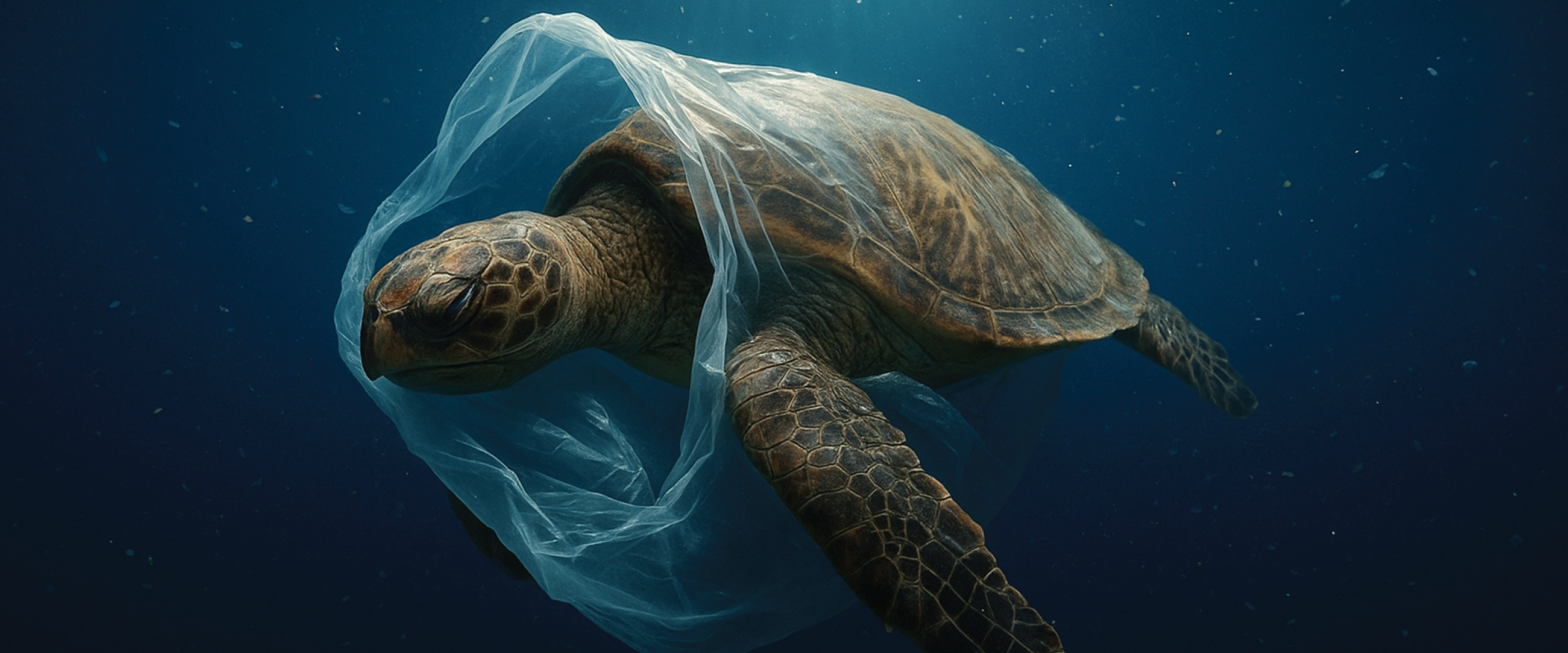


Every piece of plastic ever made still exists somewhere on this planet. In the North Pacific, a significant share of it has found its way into one of the ocean’s most concentrated accumulation zones — and it isn’t going anywhere.
More than a single patch
The Great Pacific Garbage Patch is the most well-known of several major floating plastic accumulations scattered across the world’s oceans. It forms where powerful ocean currents converge, trapping debris in slow, rotating gyres that act like vast, invisible drains — pulling in waste and holding it. The result is a sprawling concentration of marine plastic that has been building for decades, fed by a steady influx of material that circulates, fragments, and persists.
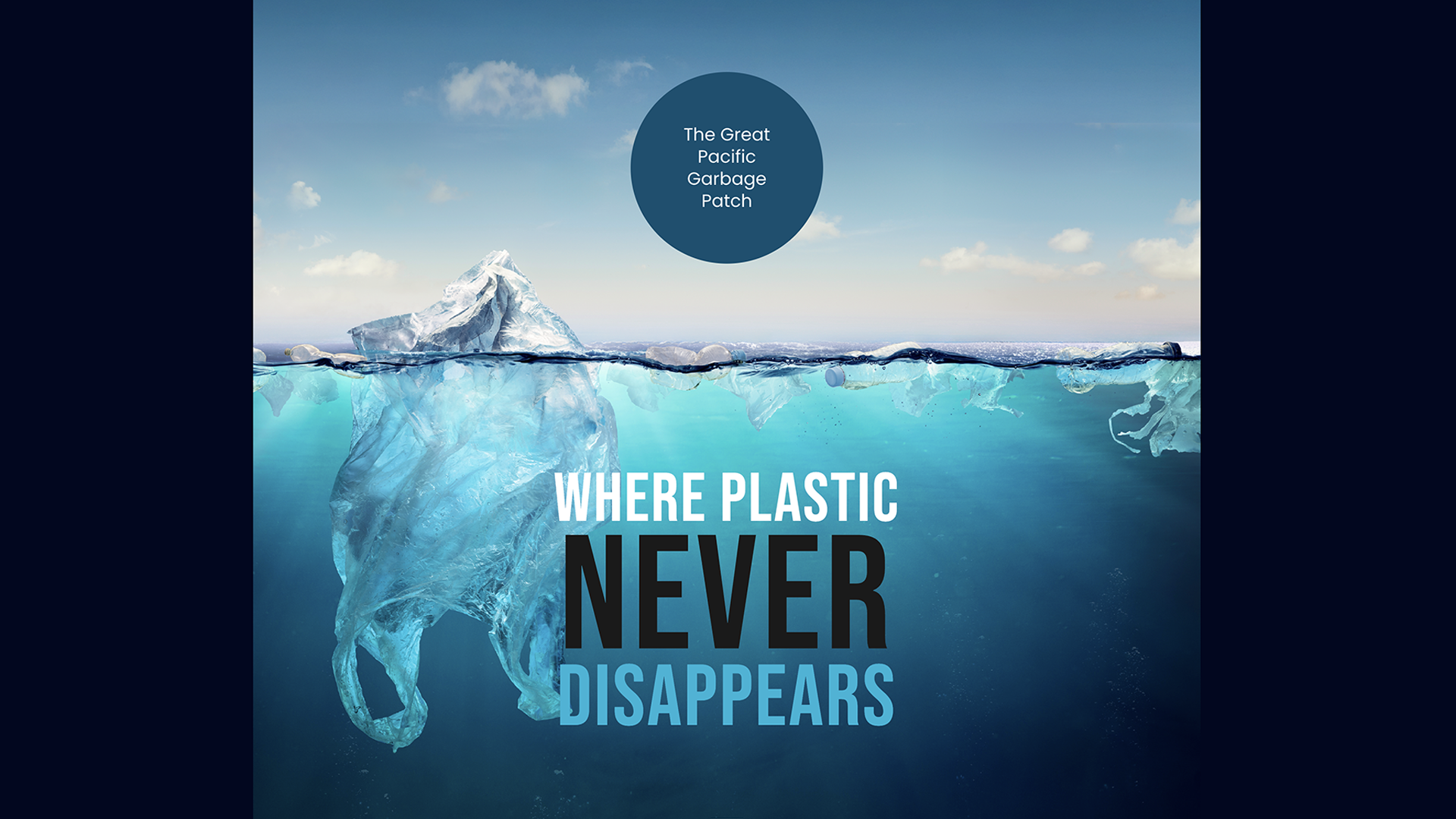
A problem measured at an enormous scale
The patch covers an estimated 1.6 million square kilometers — roughly twice the size of Texas, or three times the size of France. Within it, researchers have counted approximately 1.8 trillion individual pieces of floating plastic. Numbers at that scale are almost designed to be ungraspable, but they start to mean something when you look more closely at what actually makes up this accumulation: where it comes from, what form it takes, and why it remains so stubbornly difficult to address.